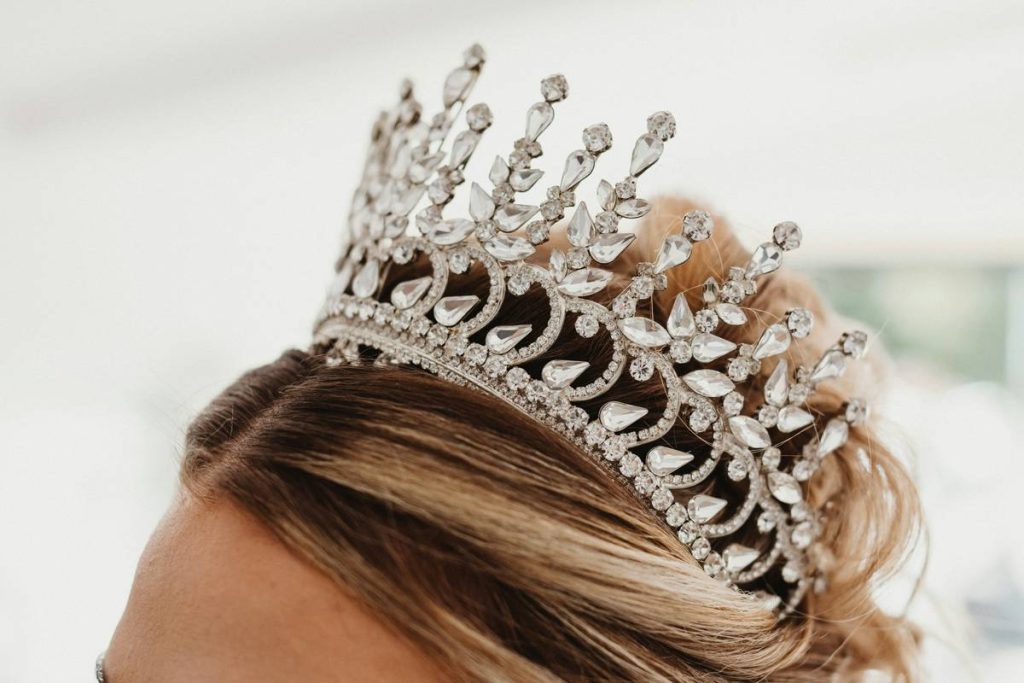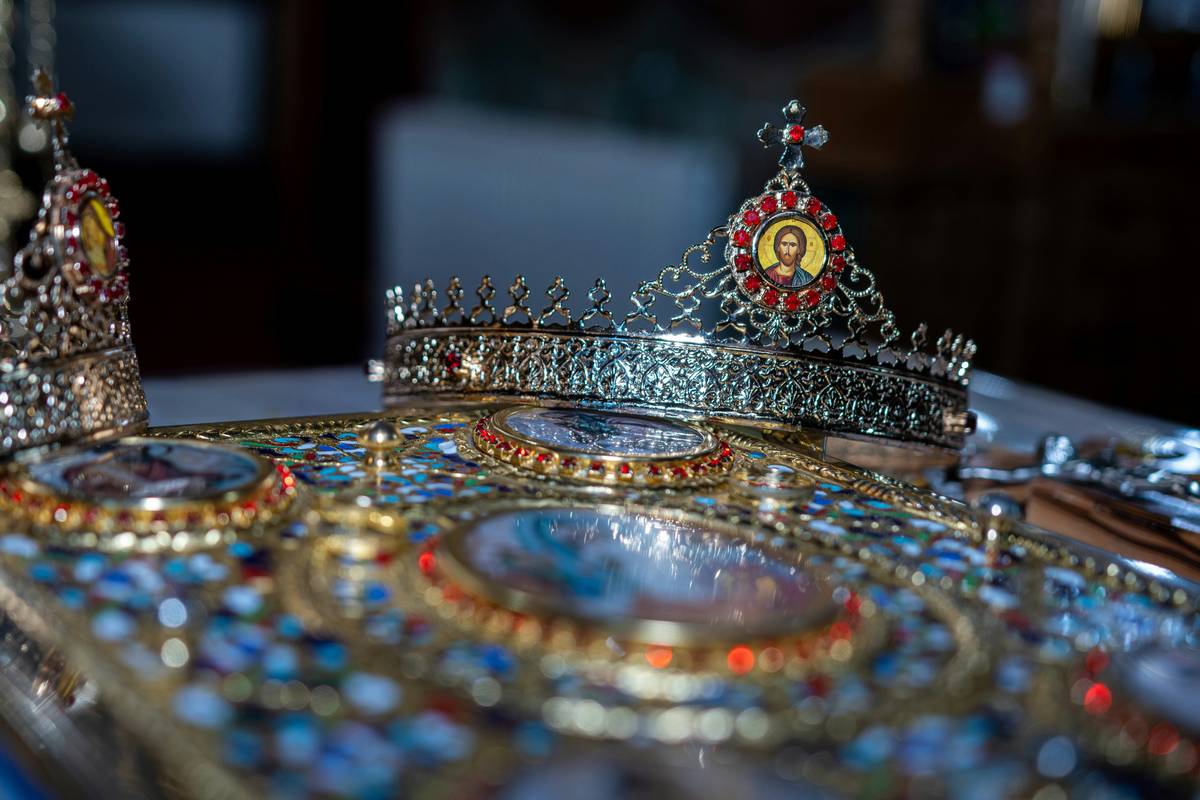
Most brides walk into fittings drowning in Pinterest boards—yet end up with hair accessories that look borrowed, not beloved. They’re chasing trends, not timelessness. And nothing screams “last-minute rental” like a flimsy, mass-produced headpiece. The fix? vintage bridal hairbands. Not replicas. Not “vintage-inspired.” Real heirloom energy—with structure, soul, and staying power.
The Problem With “Pretty Enough” Hair Accessories
Contemporary bridal salons push volume over vision. They stock dozens of identical crystal bands stamped out by factories in Guangdong. They glitter—but they don’t *anchor*. Worse, they often clash with lace veils or overwhelm fine hair. Brides leave frustrated, pinning on last-minute barrettes that slide off by cocktail hour.
And here’s the brutal truth: most stylists don’t know how to work with vintage pieces. They assume old = fragile. Outdated. Hard to source. So they default to safe, soulless options. But vintage bridal hairbands aren’t relics—they’re refined engineering wrapped in history.
How to Choose & Style Vintage Bridal Hairbands Like a Pro
Selecting isn’t about age—it’s about architecture. A 1930s bandeau behaves differently than a 1950s Juliet crown. You need strategy, not sentimentality.
Assess Your Hair Type First
Thin or slippery hair? Avoid heavy metal bases without grip pads. Curly or thick textures can carry articulated pieces—but only if the band flexes. No flex = pressure points = headaches by vow #2.
Match the Band to Your Dress Era (Loosely)
Lace mermaid gown from 2024? Don’t force a roaring ’20s rhinestone band just because it’s “vintage.” Instead, find a piece whose silhouette echoes your neckline. Scoop neck? Go for a low-profile filigree band. High collar? Opt for height at the crown.
Secure It Right—Not Just With Pins
Here’s where 90% fail. Vintage bands weren’t designed for today’s gel-heavy, heat-damaged hair. Use a matte texturizing spray first—creates friction. Then anchor with U-pins *under* the band’s frame, not through it. Preserve integrity. Prevent slips.
| Band Type | Best For Hair Texture | Avg. Price Range | Styling Tip |
|---|---|---|---|
| 1920s Rhinestone Bandeau | Fine, straight, short-to-medium | $180–$450 | Pair with finger waves or a sleek low chignon |
| 1940s Pearl & Wire Crown | Medium-thick, wavy | $220–$600 | Loosen curls slightly—softness balances formality |
| 1950s Floral Metal Vine | Thick, curly, voluminous | $150–$380 | Nestle into a half-up puff; let tendrils escape |
The Industry Secret: Most “Vintage” Bands Aren’t Vintage At All
Boutiques love slapping “vintage” on anything with tarnish. But real vintage bridal hairbands come with maker’s marks—look for tiny hallmarks near the hinge or clasp. Krementz, Miriam Haskell, even unsigned European ateliers used specific alloys that age gracefully without green stains.
Here’s what stylists won’t tell you: estate sales are dead for sourcing. The real goldmine? Retired theatrical costumers. Many held onto bridal trunks from mid-century regional weddings—pieces never exposed to humidity or hairspray. Less wear. More luster. And yes, they’ll negotiate—if you speak their language (hint: it’s not “aesthetic,” it’s “construction”).

Frequently Asked Questions
Can I wear a vintage bridal hairband with a modern wedding dress?
Absolutely—if proportions align. A minimalist sheath pairs beautifully with a delicate 1940s pearl band. Contrast creates intention, not chaos.
How do I clean a vintage hairband without damaging it?
Never soak. Use a dry microfiber cloth. For tarnished metal, dab a cotton swab in distilled vinegar—spot test first. Avoid ultrasonic cleaners; they loosen stone settings.
Are vintage bridal hairbands comfortable for all-day wear?
Only if fitted properly. Bend the band gently to match your head curve before the ceremony. Add silicone grip dots inside if needed—but never glue.