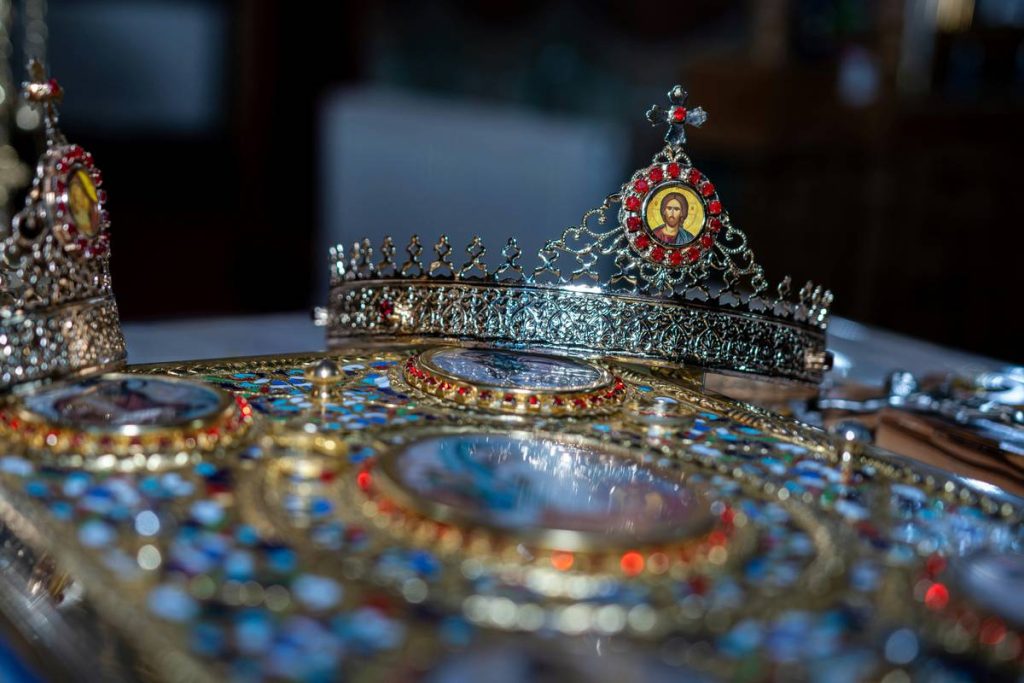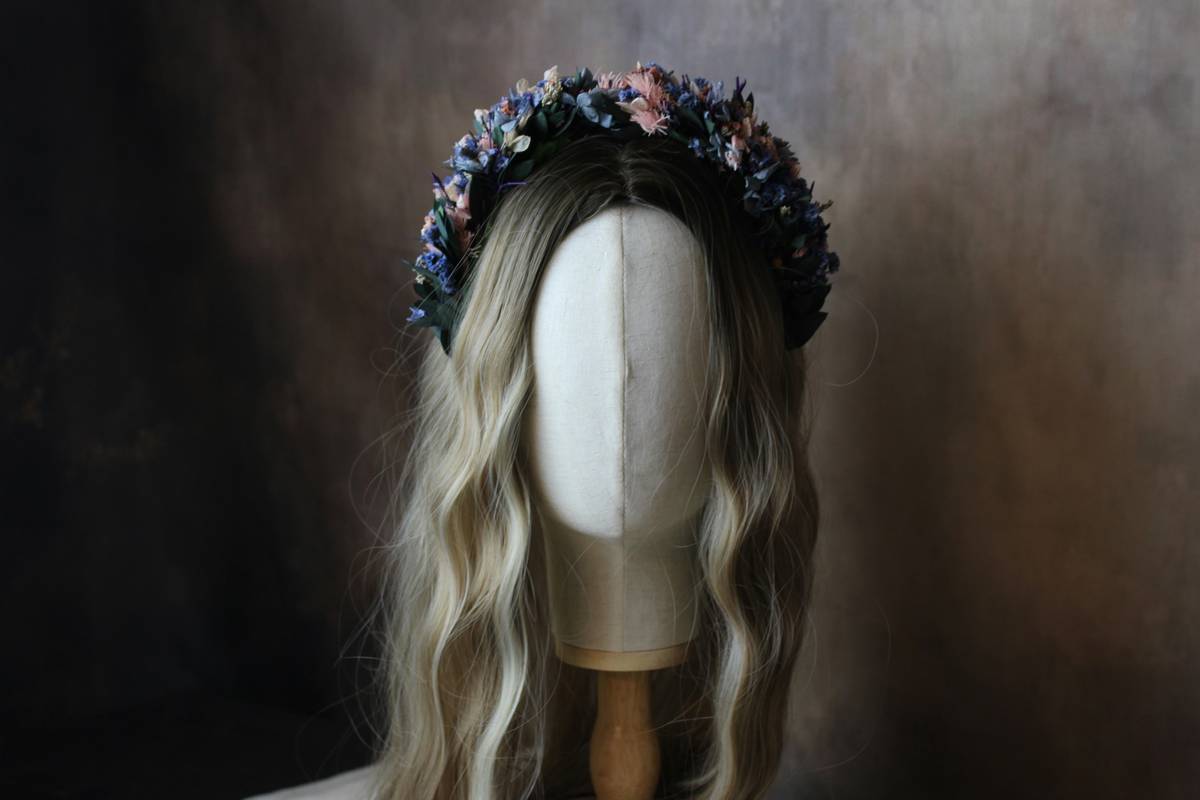
Most women buy hair accessories chasing trends—only to ditch them after two wears. They end up tangled in drawers, forgotten under makeup wipes. And the real tragedy? Missing out on pieces with actual staying power. Enter vintage headbands: not a trend, but a timeless styling weapon hiding in plain sight.
Why Most Hair Accessories Fail Within Weeks
Fast-fashion clips and flimsy tiaras snap, slip, or scream “costume.” They’re designed for Instagram—not real life. Hair moves. Wind blows. A bad accessory fights your texture instead of working with it.
Vintage headbands avoid this by design. Their metal frames, padded velvet bands, or hand-wrapped wire structures were built before throwaway culture existed. Think 1920s to 1970s craftsmanship—when accessories had to last.
How to Wear Vintage Headbands Like a Pro (Not a Costume Party)
It’s not about slapping on a rhinestone band and calling it retro. Placement, hair prep, and texture pairing make or break the look.
Match the Band to Your Hair Density
Fine hair? Go for thin, lightweight metals or fabric-wrapped bases—they won’t drag strands down. Thick or curly hair? Opt for wider bands with grip (velvet or silicone-lined). Skip anything slippery.
Placement Is Everything
Forehead too prominent? Wear it mid-head—just above your ears. Want elongation? Lower placement near the hairline adds vertical drama. Never shove it back like a sweatband unless you’re channeling 80s aerobics (and even then—sparingly).
Style First, Accessorize Second
Never treat the headband as an afterthought. Prep your hair first: soft waves, a low bun, or brushed-back volume. Then slide the vintage headband into place. It should complement—not compete with—your silhouette.
| Hair Type | Ideal Vintage Headband Material | Avoid At All Costs |
|---|---|---|
| Fine / Straight | Thin brass, silk-wrapped wire, matte enamel | Heavy rhinestones, chunky plastic |
| Thick / Wavy | Wide velvet, padded metal, tortoiseshell-style acetate | Slippery smooth plastics, narrow bands |
| Curly / Coily | Flexible wire cores, stretchable fabric bands | Rigid circular shapes, non-adjustable sizes |
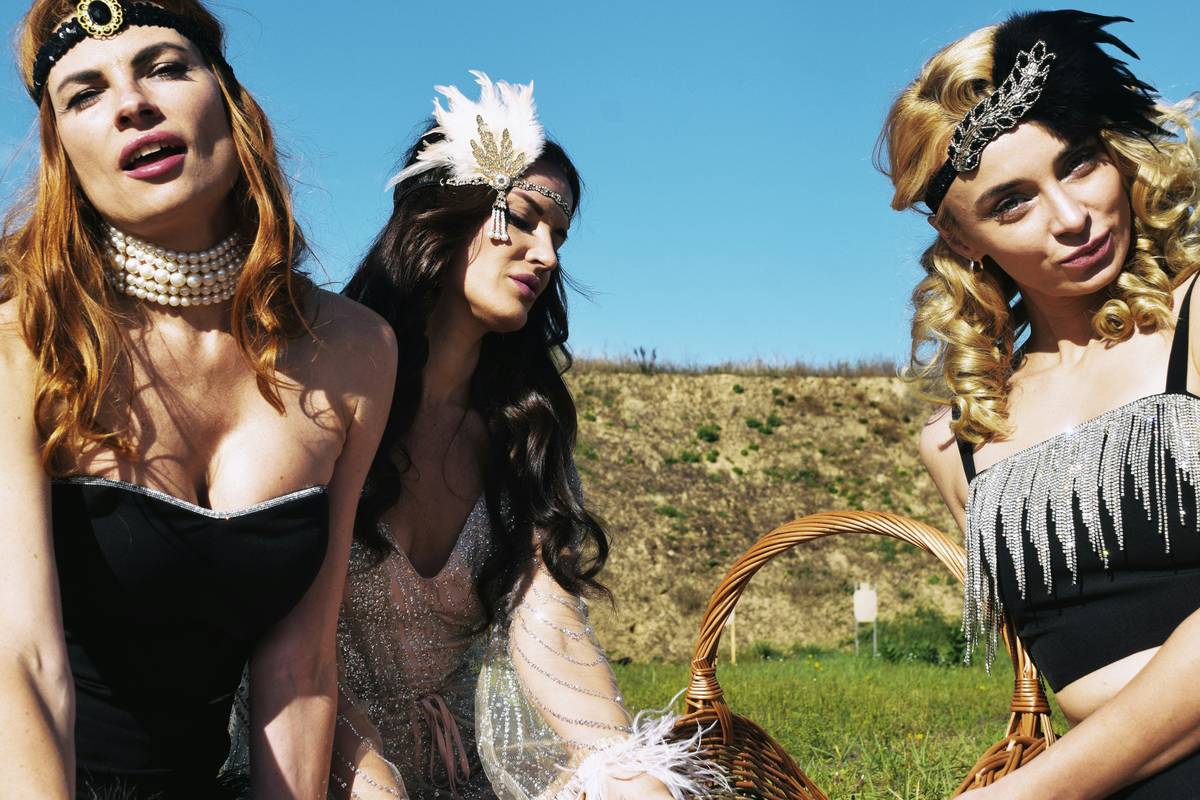
The Industry Secret: Stylists Are Reselling Estate Jewelry as Hair Crowns
Top editorial stylists aren’t shopping at accessory boutiques—they’re haunting estate sales and antique jewelry auctions. Here’s why: brooches, broken necklaces, and even repurposed watch faces get wired onto discreet headbands backstage. The result? One-of-a-kind “crowns” that photograph like heirlooms but cost less than $50 total.
I watched a stylist convert a 1940s floral brooch into a temple-side accent during Milan Fashion Week. No one guessed it wasn’t custom-made. The math is simple: vintage headbands + overlooked jewelry = instant luxury credibility.
Frequently Asked Questions
Are vintage headbands comfortable for all-day wear?
Yes—if fit properly. Look for padded interiors or flexible wire cores. Avoid rigid circular shapes unless they’re adjustable.
Can I wear vintage headbands with short hair?
Absolutely. Position it slightly back from the hairline and pair with textured pixie cuts or sleek bobs. It frames the face without needing length.
Where do professionals source authentic vintage headbands?
Estate sales, antique markets, and specialized Etsy sellers—but always check for tarnish-resistant metals or intact fabric lining before buying.