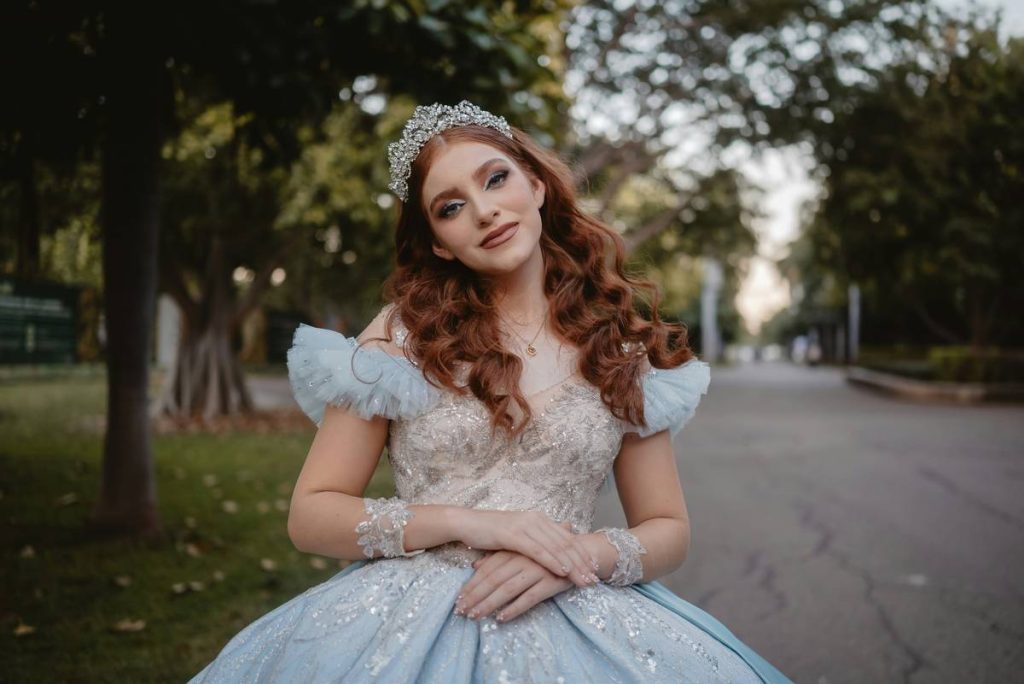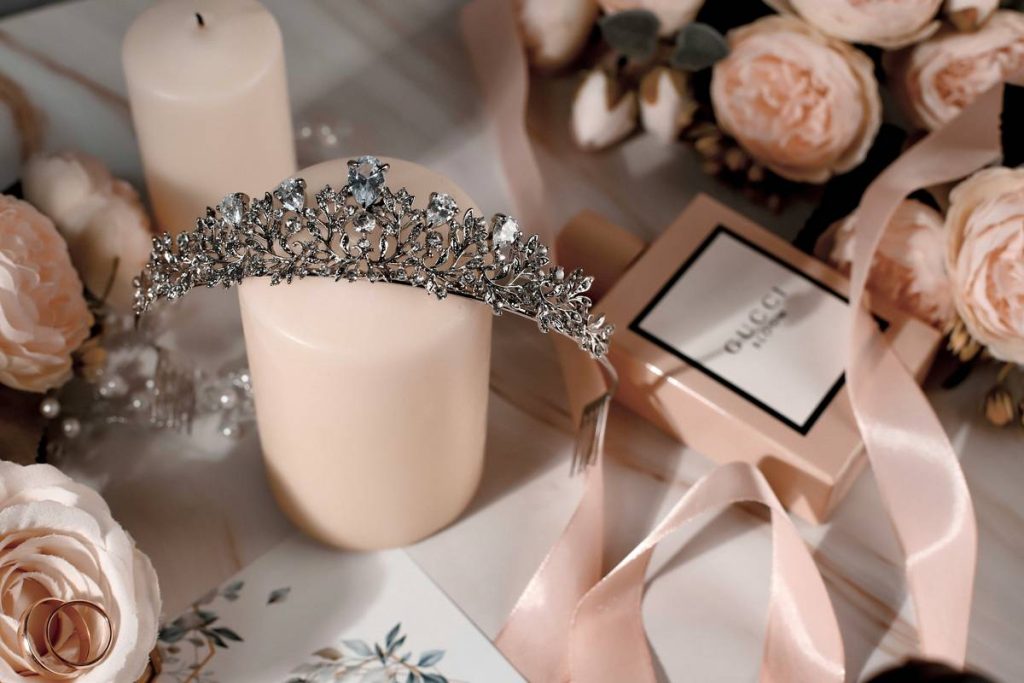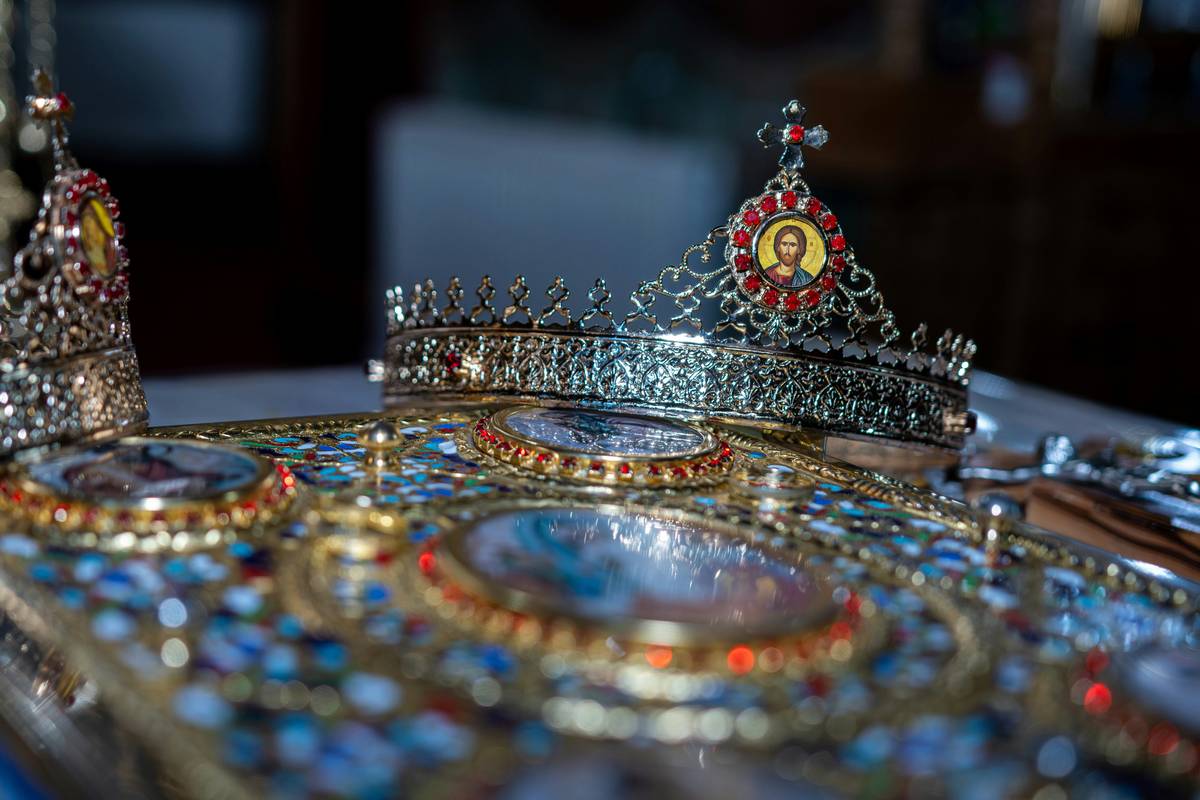
You spent weeks planning your outfit for the masquerade ball. The dress? Flawless. The mask? Intricate. But your hair crown keeps slipping, pinching, or just looking… forgettable. And now you’re stuck readjusting it in every photo. Here’s the fix: masquerade headpiece styles that fuse drama with wearability—so you own the night, not your accessories.
Why Most Masquerade Headpieces Fail Before Midnight
They prioritize aesthetics over anatomy. A headpiece might look stunning on a mannequin—but human heads aren’t flat surfaces. They slope, curve, and move. Add humidity, hours of dancing, and one too many champagne toasts, and flimsy wire frames collapse like wet paper.
And don’t get me started on adhesive clips. They either rip out strands or vanish into your updo after 20 minutes. The real issue isn’t design—it’s engineering. Most crowns ignore biomechanics entirely.
How to Choose & Style Your Masquerade Headpiece Like a Pro
Pick structure first, sparkle second. A well-balanced base ensures everything else stays put.
Frame Material Matters More Than You Think
Flexible memory wire > stiff plastic. Always. Memory wire adapts to your skull shape without digging in. Plastic fractures under pressure—and heat from stage lighting makes it brittle fast.
Anchor Points Should Be Invisible—but Strategic
Two hidden combs near the temples? Good. One wobbly clip at the crown? Disaster. Distribute weight symmetrically. If your headpiece tilts left by 9 p.m., physics already declared it unwearable.
The Feather-to-Metal Ratio Is Non-Negotiable
Feathers add volume but zero support. Too many feathers on a thin wire frame = instant droop. Counterbalance with lightweight metallic filigree or resin accents. Visual drama needs structural backup.
| Headpiece Type | Comfort Rating (1-5) | Hold Duration | Best For |
|---|---|---|---|
| Wire-base with silk flowers | 4 | 6+ hours | Indoor galas, low-humidity venues |
| Rigid plastic tiara | 2 | 2–3 hours | Photo ops only—not all-night wear |
| Memory-wire crown + micro-feathers | 5 | 8+ hours | Dancing, outdoor masquerades, humid climates |
| Adhesive-only fascinator | 1 | <1 hour | Avoid unless pinned securely to a bun |
The Industry Secret: Borrow From Theater Costuming
Hollywood costume designers never rely on glue or hope. They use “counter-tension anchoring”—a method where two opposing combs create inward pressure, locking the piece in place without tugging hair. It’s why stage crowns survive eight shows a week.
Ask your stylist to embed two mini-combs at 2 o’clock and 10 o’clock positions. Not centered. Not random. Precise angles mimic how helmets distribute load. And yes—it works even with fine or thin hair. The trick? Angle the teeth slightly forward so they catch scalp tension, not just strands.
Most luxury accessory brands won’t tell you this. They’d rather sell you another glitter spray than admit their hardware is flawed.

Frequently Asked Questions
What are the most popular masquerade headpiece styles for weddings?
Ornate wire crowns with pearl inlays or delicate feather sprays—paired with veil-free updos. Avoid anything wider than your shoulder line; it competes with bridal silhouettes.
Can I wear a masquerade headpiece with short hair?
Absolutely—if it uses dual combs instead of back-heavy clips. Opt for designs under 5 inches tall. Think asymmetrical mini-crowns, not full halos.
How do I keep my headpiece from sliding during dancing?
Apply light-hold hairspray to anchor points first. Then secure with bobby pins crossed in an X-pattern through the comb bases. Never rely on the headpiece alone.